MEMBERS
……………………………………………………………………………………………………………………………………………………………………………………………………………………………………………………….

Per Ditlef Fredriksen
Per Ditlef is Professor of Archaeology in the Department of Archaeology, Conservation and History, University of Oslo and a Research Associate at the Department of Archaeology, University of Cape Town. Among his primary research foci are contemporary archaeology and historical ecologies in southern and central Africa. In addition to Scandinavia, he has conducted field research in South Africa, Botswana, Zimbabwe, Mozambique and Zambia. Guided by a deep interest in the archaeology of the contemporary past, history and social anthropology, his work with local communities in southern and central Africa extends into critical heritage studies and issues of local engagement in archaeological research. Central topics include challenges related to the relocation, expulsion and marginalisation of communities, groups and individuals, encounters between technological knowledge systems and world views, and notions of heritage among stakeholder communities. These concrete topics are related to – and inform his approaches to – broader research themes, such as the introduction of new technologies and their changes over time, the organisation of ceramic and metal crafts, households as arenas for learning and knowledge-sharing, analytical scale, thing theory, and how the material world is engaged in ancestor relations.
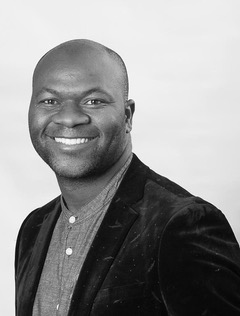
Foreman Bandama
Foreman is an Assistant Curator of Anthropology at the Field Museum of Natural History, a Lecturer at the University of Illinois, Chicago and a Senior Research Associate at the University of Johannesburg. His growing interests in materials analyses is unmistakable; having specialized in pre-industrial ceramics, glass beads, archaeometallurgy, and heritage studies in southern Africa. His doctoral thesis from the University of Cape Town explored the history, innovation and technology of tin and bronze metallurgy in southern Africa. Foreman is particularly interested in African innovations and achievements relating to complex societies and their interactions with the outside world. Among his long-term projects are understanding crafts, class and state formation at some of the key polities in southern Africa. To bridge the archaeological-contemporary divide, Dr Bandama’s work applies hermeneutic phenomenological approaches. Accordingly, his work draws liberally from both African theory and his personal experiences as a product of a rural crafting Tsonga family from Zimbabwe. He has conducted field research in South Africa, Zimbabwe, and Zambia.

Kathryn de Luna
Kathryn is Provost’s Distinguished Associate Professor of History at Georgetown University in Washington, DC. She is an historian of Africa who works in two contexts: African pasts that predate European colonialism and the convergent context of African, Native American, and European pasts in the early modern Atlantic world.
As an historian of oral societies, her work is shaped by the imperative to produce the archives of evidence from which she writes history. She builds these archives using a variety of methods from the disciplines of linguistics, anthropology, archaeology, materials science/archaeometry, and oral history and connects them to the environmental, paleogenomic, and paleoclimatic records of Africa. Her scholarship has focused on the themes of subsistence history, political culture, enslavement, and the coproduction of changes in emotions, senses, and politics in central and southern Africa. Her work has been funded by the Andrew W. Mellon Foundation, the National Endowment for the Humanities, the National Science Foundation, Harvard University, Fulbright-Hays in addition to other agencies and institutes.
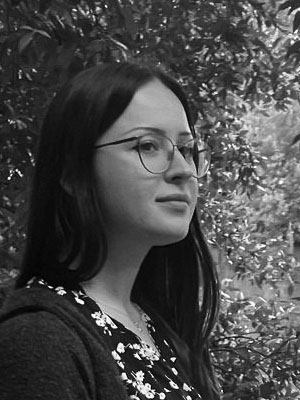
Weronika Patrycja Polańska
Weronika is a Ph.D. fellow the Department of Archaeology, Conservation and History at the University of Oslo. She works with the research groups MATERIALITIES, Gendering the Nordic Past, HEI, and ARCREATE. Her research focuses on archaeometric analysis and theoretical exploration of Bronze Age societies, with a particular emphasis on women, through the study of ceramic and clay materials. She has contributed to excavations for the Museum of Cultural History in Oslo, including Hovden in Setesdal, Liåker in Lunner, Askjum in Ås, Stange in Hamar, as well as Remmen in Halden. She has also participated in KAP – The Kalydon Archaeological Project, NASK – Norwegian Archaeological Survey in the Karystia, and GAP – Gourimadi Archaeological Project. Her analytical skills extend to scientific material analysis, employing methods like FT-IR, XRD, pXRF and thin-section analysis of ceramic material. Weronika has taught subjects such as archaeological theory and field courses, and provided language instructions with private language schools. She also has a background in Arts, and has designed the logo for ARCREATE.

Mncedisi Siteleki
MC is a researcher at the University of Oslo’s Department of Archaeology, Conservation and History. With a background in Geographic Information Systems (GIS) and Remote Sensing, MC leverages geospatial technologies to explore and interpret past landscapes. His innovative approach combines traditional archaeological methods with advanced technological tools to provide new insights into past environments.
Prior to his current role, MC was instrumental in establishing the Spatial Analytics Lab at the University of the Witwatersrand (Wits University), where he led pioneering research in spatial data analysis. He has also conducted fieldwork in South Africa, Botswana and Zambia. MC’s academic pursuits are centered around landscape archaeology, where he applies GIS to uncover spatial patterns and relationships in archaeological data. His research extends into data visualization, employing machine learning and deep learning techniques to interpret complex datasets.

Kenneth Luhila
Kenneth is a Ph.D. fellow at the University of Oslo in the Department of Archaeology, Conservation, and History in the ARCREATE project, with a research focus on the archaeometric analysis of ceramics from the Southern Province of Zambia. His research interests centre around the material analysis of pre-industrial technologies in Southern Africa, particularly metal and ceramics production, as well as African cultural heritage management studies. He is also a researcher and lecturer at the University of Zambia in the Department of Historical and Archaeological Studies. He has taught a wide range of courses at the undergraduate level, including Introduction to Archaeology, Archaeology of Southern Africa, Introduction to the Study of History, Themes in East African History, and Heritage Studies.
Prior to taking up the Ph.D. fellowship, Kenneth worked as a correspondence editor for the Zambia Journal of History (ZJH). He was also involved in fieldwork, surveys, and excavations with various archaeological projects in Zambia. Such projects include the Bantu Mobility Project in Basanga, Itezhi-Tezhi District, Southern Zambia; and the Machili Iron Production Project in Sichili, Mulobezi District, Western Province of Zambia.
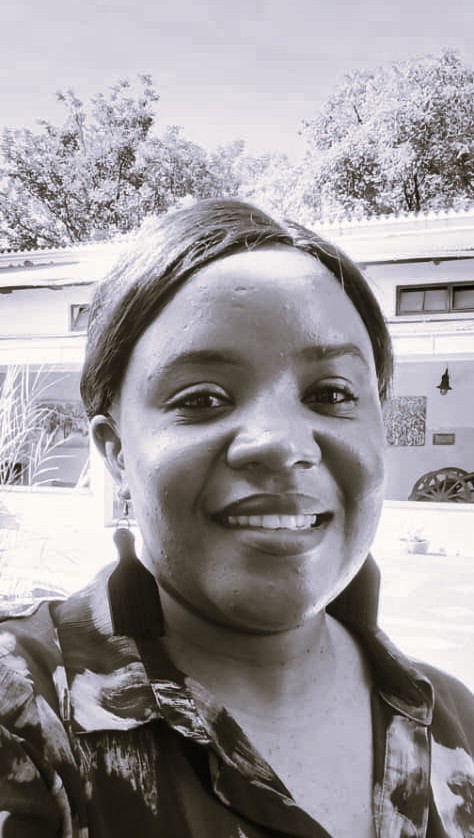
Constance Mulenga
Constance is a post graduate student at the University of Pretoria in the Department of Archaeology and Anthropology, under the faculty of Humanities and Social Sciences working on the ARCREATE project. Her central focus is on ceramic petrology specifically on Zambian material. She is also serves as an Assistant Curator of Archaeology under National Museums Board where she has been an integral part of the team for over five years.
Throughout her career, Constance has been dedicated to bridging the gap between archaeology, education, and community, creating meaningful connections that foster greater understanding and appreciation of cultural heritage. Outside of her role at the museum, she is a committed member of the Society of Africanist Archaeologists, reflecting her ongoing passion for advancing the field of archaeology across the African continent.
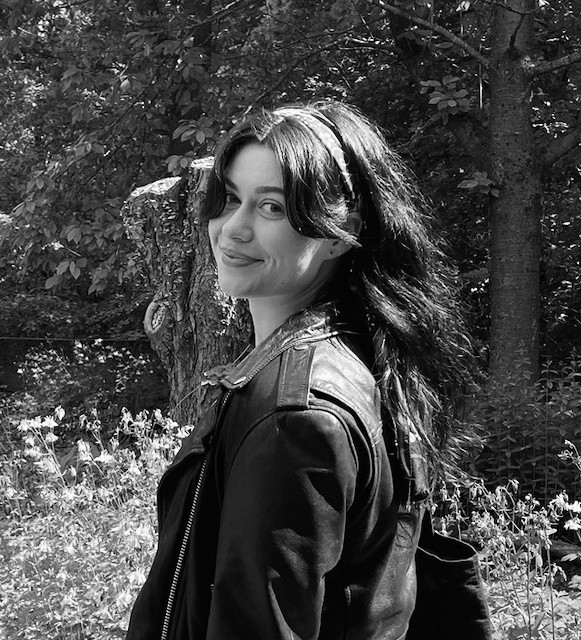
Solveig Isaksen
Solveig is a researcher at the Department of Archaeology, Conservation, and History at the University of Oslo. Her research focuses on critical heritage studies, gender archaeology, and contemporary archaeology, with a particular interest in exploring the multifaceted roles of heritage in modern society. Her recent work investigates how musicians within the metal music scene engage with Old Norse heritage, and how the black metal genre has increasingly been recognized as a form of cultural heritage. Drawing on interviews and ethnographic fieldwork, she examines the intersections of cultural identity and heritage, while challenging conventional dichotomies in both popular and academic discourse surrounding heritage and archaeology.
Solveig is affiliated with the research groups Gendering the Nordic Past and HEI: Heritage Experience Initiative. She has also worked as a field archaeologist on a range of excavations in Norway. With an academic background in computer science, she is cultivating a growing interest in digital archaeology and has contributed to the development of a field archaeology database at the Museum of Cultural History in Oslo.
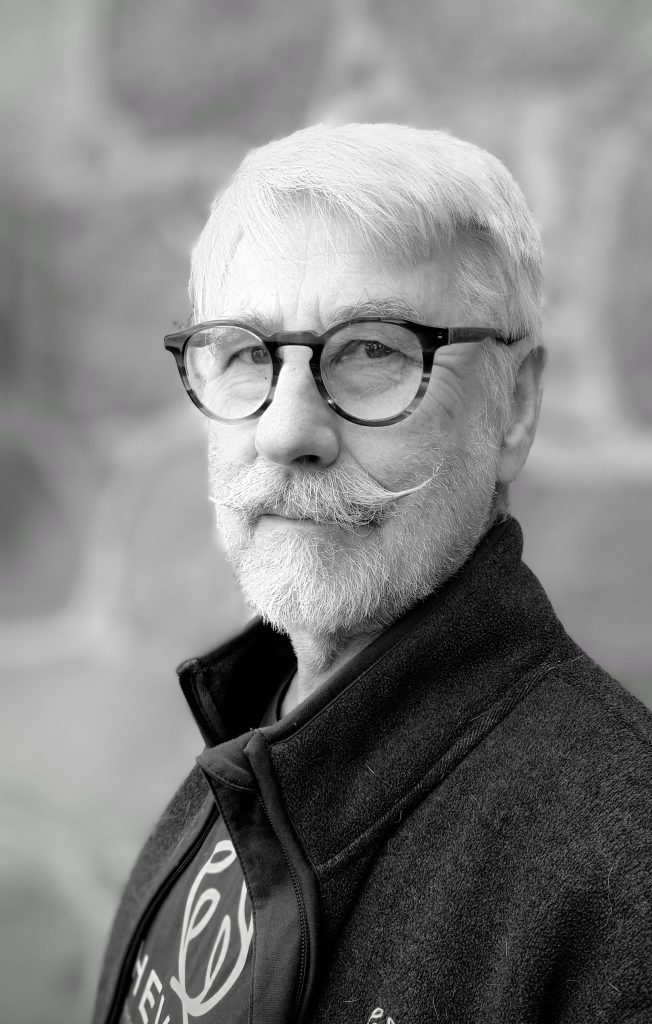
Anders Lindahl
Anders Lindahl, PhD in Medieval Archaeology, is a Professor Emeritus in laboratory and experimental archaeology at Lund University’s Department of Geology and a Visiting Professor at the Ceramics Technology Laboratory, University of Pretoria. His research combines laboratory analysis and experimental archaeology with archaeological and ethnographic insights to trace changes in handicraft traditions and illuminate the complex interactions between central places and their surrounding communities across cultures and time periods. Key analyses in his work include petrographic microscopy, h-XRF chemical analysis, and thermal analysis of clay and ceramics. He has conducted extensive research in southern Africa, collaborating with local archaeologists. His work underscores the value of interdisciplinary approaches to enrich our understanding of past societies through their material culture.
Beyond ceramics studies, Professor Lindahl has explored smaller settlements associated with the Great Zimbabwe tradition. Through fieldwork and excavations at sites on islands along the Swahili coast, Kilwa, Unguja and Pemba, as well as eastern Zimbabwe, he examined domestic and specialized production activities, providing insights into the social dynamics and interactions within these communities.
 ARCREATE.