KEY TOPICS AND OBJECTIVES
In recent years, some have argued forcefully that archaeological practice in Africa has failed the creative communities with whom archaeologists work. The future of archaeology on the continent depends on engaging meaningfully with local communities, the public and policy-makers, if the discipline is not to become a science merely about the past with limited bearing on either the present or the local. ARCREATE relates to stakeholders’ notions of heritage custodianship with an approach that meets current calls for knowledge that anchors understanding of the past in and on Africans’ own terms. In this manner, the project challenges preconceived notions about mobility and migration, creativity and the learning and transmission of skills.
The aim of ARCREATE is to provide a synthesis of the creative knowledge of Bantu-speaking craftspeople in two regions of central and southern Africa in close, meaningful collaboration with stakeholder communities. To meet this main objective, the project establishes three research objectives:
The first is to identify the geographic and temporal distribution of the main craft-learning networks in the two study regions, and to develop a synthesis that distinguishes key socio-political, technological and mineralogical factors for the learning networks’ formation, continuation and eventual demise.
The second is to identify the main technological and geo-chemical signatures of the regional interaction of craftspeople in the two case studies, and on this basis perform an inter-regional comparative analysis of creative craft milieus’ local and regional connections.
The third objective is to develop a regional synthesis of changes to learning networks and local engagement with the mineral world for each of the two study regions.
Key Topics
Work Package 1
The Learning Lab
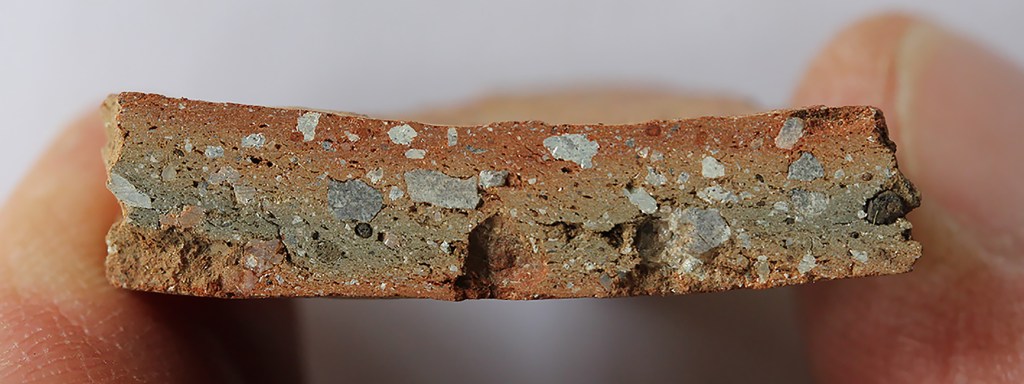
The objective of The Learning Lab is to identify the geographic and temporal distribution of the main craft-learning networks in the two study regions, and to develop a synthesis that distinguishes key socio-political, technological and mineralogical factors for the learning networks’ formation, continuation and eventual demise. The Learning Lab coordinates activities and monitors the scientific process of the project, and is responsible for the collaboration with local stakeholders.

Work Package 2
The Landscape Lab
The objective of The Landscape Lab is to identify the main technological and geo-chemical signatures of regional interaction, and on this basis perform an inter-regional comparative analysis of creative craft milieus’ local and regional connections. The Landscape Lab is responsible for geological mapping, mineralogy, and landscape description, and for maintaining the digital infrastructure needed for documentation and data collection for all sites under study.
Work Package 3
Case Studies in Central Africa
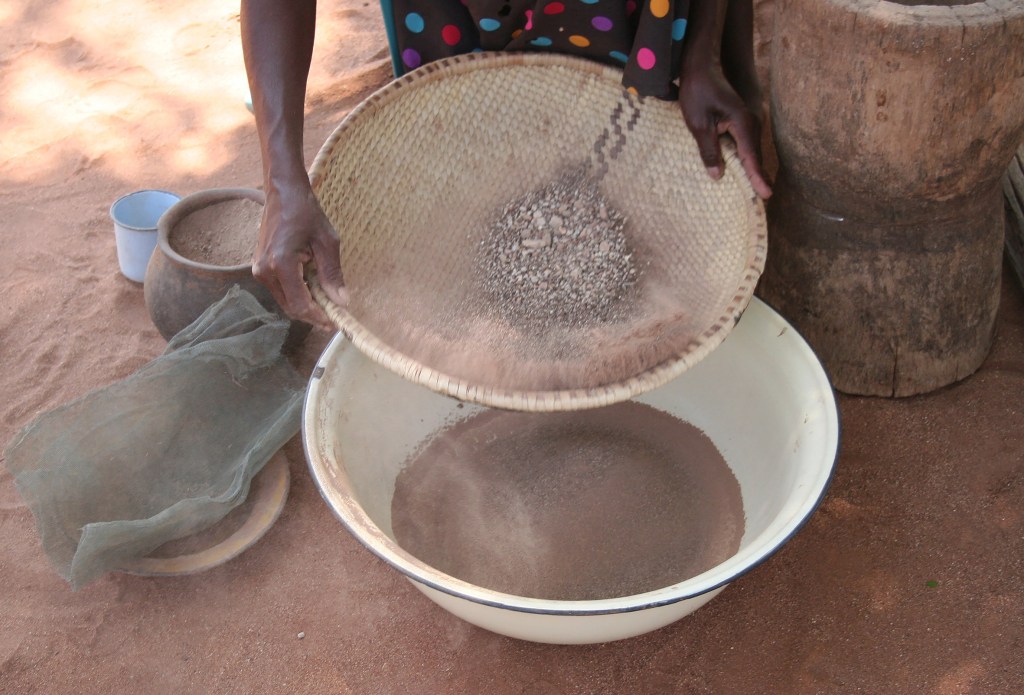
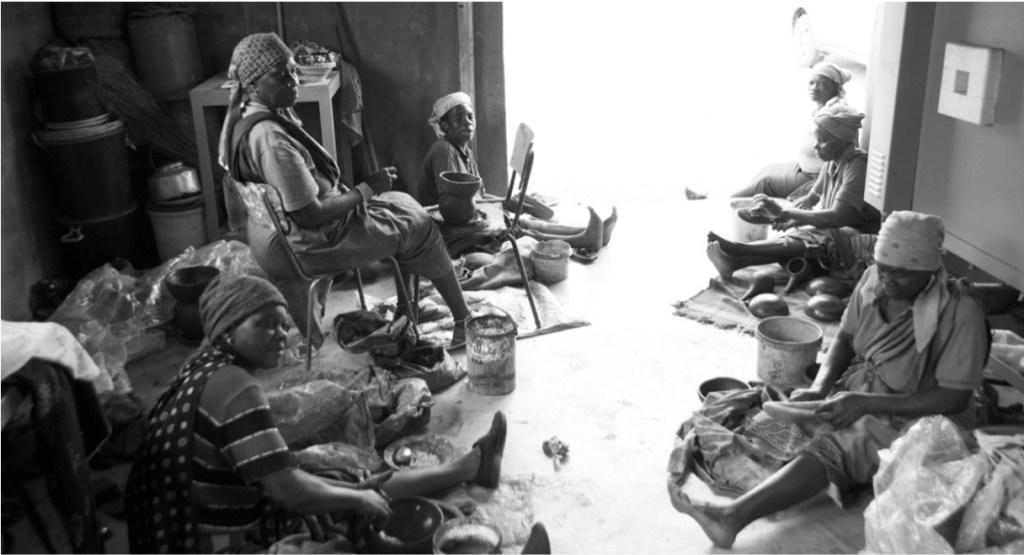
This study region is located in Zambia in Central Africa and stretches between the Kafue and the Zambezi Rivers. Our primary focus is on the period 500–1500 CE. This broad region is home to speakers of the Botatwe languages, a sub-branch of Bantu. From the early first millennium CE, Botatwe speakers lived in a territory that constituted a frontier surrounded by multiple and changing heartlands of political, linguistic, economic, and technological innovation and population movement. Encircled by far larger, more hierarchically organized societies by the mid-second millennium CE, the region remained a ‘central frontier’ as a sequence of industrial centres, production ateliers, polities, and trading hubs were forged and dissolved on its periphery.
Work Package 4
Case Studies in Southern Africa
This study region is is located in the interior of southern Africa, stretching from the Limpopo region to the Magaliesberg valley in northern South Africa and further into the dryland margins of the Kalahari in Botswana. The processes to be studied occurred during the turbulent centuries leading up to the 1820s. Offering favourable conditions for cattle-keeping farmers, and rich in minerals such as iron and copper, the Magaliesberg saw several waves of settlement relocation. The area was an inland nodal point on long-distance trade networks and felt the effects of Indian Ocean trade as well as of Atlantic commerce via Cape Town.
Work Package 5
Synthesis
All case studies in Southern Africa have the same overall objective: to develop a regional synthesis of changes to learning networks and local engagement with the mineral world.

 ARCREATE.